
Combat
DELTARUNE Fight combat guide: how a round resolves, cursor-phase survival, attack-phase damage windows, action timing and the healing-versus-damage turn budget.
Introduction
The combat hub explains how a single round in DELTARUNE Fight actually resolves, because almost every mistake new players make traces back to a misunderstanding of the loop. A round has two halves. During the cursor phase you move a soul-style object continuously through an incoming pattern; touching an attack costs health rather than ending the attempt, so grazing is survivable and panic is not. Surviving the whole rotation grants the attack phase, which in most fights is the only window where damage happens. Inside that window, command timing decides whether the turn pays off or is wasted outright, and healing competes with attacking for the same budget. Pages here break down each part in order, from reading the opening tell to deciding whether a given turn should repair health or push damage toward the next phase.
Round Structure Reference
| Phase | What You Control | Failure Condition | Reward |
|---|---|---|---|
| Opening tell | Positioning before the pattern fires | Standing in the wrong area | Free route through the first sequence |
| Cursor phase | Continuous movement through gaps | Grazing too many attacks | Survives to the attack phase |
| Attack phase | Command timing | Mistimed action wastes the turn | Damage dealt to the boss |
| Turn budget | Heal or attack | Healing at the wrong moment | Health repaired or a phase shortened |
Combat Systems
Cursor Phase
The survival half of every single round
Attack Phase
The only window where most damage happens
Turn Budget
Healing and attacking draw from the same pool
Pattern Reading
Tells are the whole difficulty curve
Difficulty Scaling
Harder tiers change layout, not damage numbers
Core Mechanics
Stripping the presentation away, DELTARUNE Fight runs on a loop of four decisions. The first is where to stand when the tell fires, which determines whether you even have a viable route through the next few seconds. The second is how to move during the pattern, and the correct answer is almost always smooth continuous routing rather than a series of last-second corrections. The third is the action command in the attack phase, where the window rewards patience and punishes panic pressing. The fourth, and the one most players undervalue, is the turn budget decision: whether this turn repairs health or deals damage. Get the first three right and the fourth becomes straightforward, because a fight you can survive indefinitely is a fight you will eventually finish. Get the routing wrong and no amount of damage output will save the attempt.
Advantages
The combat loop is unusually readable for a real-time boss rush, and that readability is the whole point. Attacks are preceded by consistent tells, so a failure is almost always traceable to a specific misread rather than to randomness, which makes improvement a matter of study rather than of grinding. Because damage is avoided by continuous movement rather than by a defensive button, there is no hidden timing window to internalise and no input that can be spammed to paper over a gap in understanding. Grazing costs health instead of ending the attempt, which creates a genuine margin for learning a new pattern in the middle of a real run rather than forcing a reset. The separation of survival from damage also makes feedback honest: if you died, your routing was wrong, and that is a fixable problem.
Challenges
The learning curve is steep in a way the game never explains. Nothing in the interface tells you what the tells are, how the action command is scored, or how much a wasted turn actually costs, so the first hour is spent inferring rules from failure. Grazing is forgiving on the low tiers and much less so on the high ones, which means a habit that was safe early becomes quietly dangerous later without any signal that the threshold moved. The turn budget also creates a trap: a player who heals reflexively can survive a long time while making no progress, which reads as the fight being unwinnable rather than as a resource problem. Finally, because rotations are fixed, mastering a fight can start to feel mechanical, and heavily rehearsed routes leave little room for improvisation when something goes wrong.
Frequently Asked Questions
How does the combat actually work in DELTARUNE Fight?+
Why does my action command keep getting wasted?+
Should I heal as soon as I take damage?+
Quick Tips
Practise one fight with the express goal of never attacking. Surviving a full rotation while ignoring the punish window teaches the pattern far faster than splitting your attention between dodging and damage, because it removes the temptation to take risks before you understand the sequence. The habit also builds the reading skill that makes higher tiers manageable, when reactive dodging alone stops working entirely.
Route the whole sequence in advance rather than reacting to each attack. Moving early to where the gap will be is always safer than moving late to where it currently is, and planning ahead removes most of the last-second corrections that cause avoidable contact with an attack. The same principle applies to punish windows: decide before the sequence ends whether you are attacking or repositioning.
Count the patterns left before a phase change. Knowing that you are one sequence away from the fight shifting stops you wasting a heal or a punish on a turn that is about to become irrelevant, which is a mistake that quietly costs more attempts than any single dodge error does. It also keeps you from spending your strongest option on a phase that is about to be replaced by a harder one.
Featured
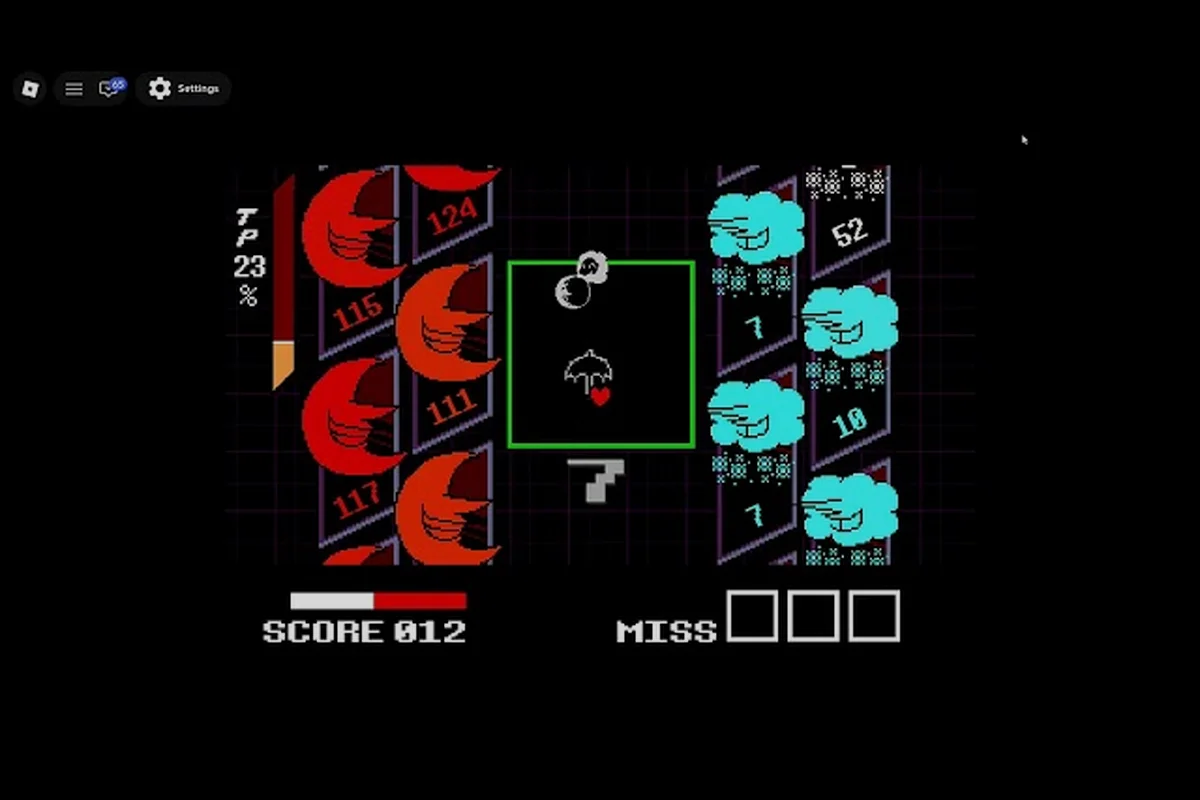
DELTARUNE Fight Action Commands: Fight, Act, Items & Mercy
Master DELTARUNE Fight action commands — when to Fight, Act, or use Items, how Mercy spares work, and how to charge attacks for bonus damage.
DELTARUNE Fight Combat Guide: Battle System & Parry Basics
Master DELTARUNE Fight combat guide basics, from the soul-cursor battle system and parry timing to rude buster execution and dodging every bullet pattern in Roblox.
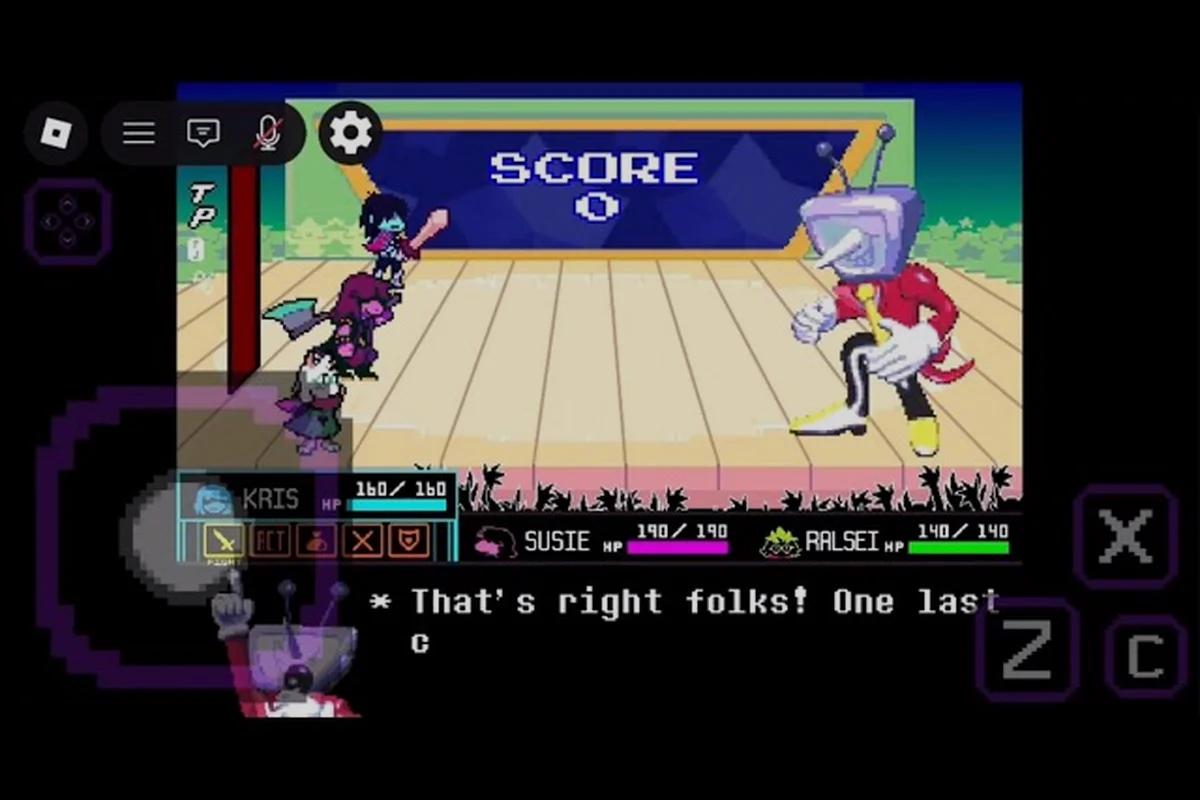
DELTARUNE Fight Combat Tips: Soul Cursor, Bullets & Combos
Level up with DELTARUNE Fight combat tips covering soul cursor control, bullet-hell reads, combo attack setups, and advanced habits that win longer boss runs.
All Articles
DELTARUNE Fight Attack Guide: Damage, Bullets & Healing
Master DELTARUNE Fight combat with this attack guide covering damage stacking, bullet-hell reads, heal timing, and turn-based tips for every boss phase.
DELTARUNE Fight Critical Hits: Timing Windows & Block Rules
Land DELTARUNE Fight critical hits with clean timing windows, parry rules, and block cues that turn dodge reads into no-hit survivals against tough bosses.
DELTARUNE Fight Damage: HP, TP, Mercy & Pacifist Runs
Break down DELTARUNE Fight damage numbers, HP and TP bars, mercy routes, and pacifist tradeoffs so every hit, heal, and spare decision counts on Roblox.