
Getting into DELTARUNE Fight on Roblox means learning a boss-rush combat loop where every attempt teaches you something, but only if you start with the right habits. This DELTARUNE Fight getting started roadmap covers the first-hour setup, difficulty selection, and the core strategies that prevent early frustration. A clean start matters because the game's hardest content punishes players who skip fundamentals, while a structured opening hour builds the muscle memory that carries into the confirmed boss line-up.
What DELTARUNE Fight Actually Is Before You Load In
DELTARUNE Fight is a Roblox boss-rush fighting simulator built by ItsIsaacIO, launched on August 11, 2026, and still receiving updates as of the September 2026 build. The official Roblox page lists 2.26M+ visits, 30K+ favorites, and roughly 8,980 likes, which signals a growing community that is actively testing and documenting the game. Servers cap at 15 players, so you will usually fight alongside a small group rather than a massive lobby.
The core loop is simple: you control a Soul — the heart-shaped cursor that represents your position during bullet phases — and spend TP to activate attacks. Confirmed mechanic names from community videos include Rude Buster, an attack that players report can skip the final segment of certain encounters. The game does not publish official damage values or cooldown numbers, so every strategy guide relies on qualitative descriptions and player-reported behavior rather than hard math.
One important clarification for fans of the original Deltarune: Kris, Susie, Ralsei, and Noelle are characters from the original Deltarune game only. This Roblox title does not confirm them as playable fighters, so do not expect character selection screens or per-character skill trees. The confirmed boss line-up so far includes Tenna, King, Pink, and Kaizo Knight, with community videos documenting the hardest clears against that roster.
| Element | What It Means for a New Player |
|---|---|
| Soul | The cursor you steer during bullet phases; positioning is your primary defense |
| TP | Skill points spent on attacks; managing TP flow shapes your offensive rhythm |
| Rude Buster | A community-documented attack that can skip a final attack segment in some fights |
| Difficulty tiers | Standard, Brutal, and Genocide — each changes pressure and punishment |
| Confirmed bosses | Tenna, King, Pink, and Kaizo Knight as of the September 2026 build |
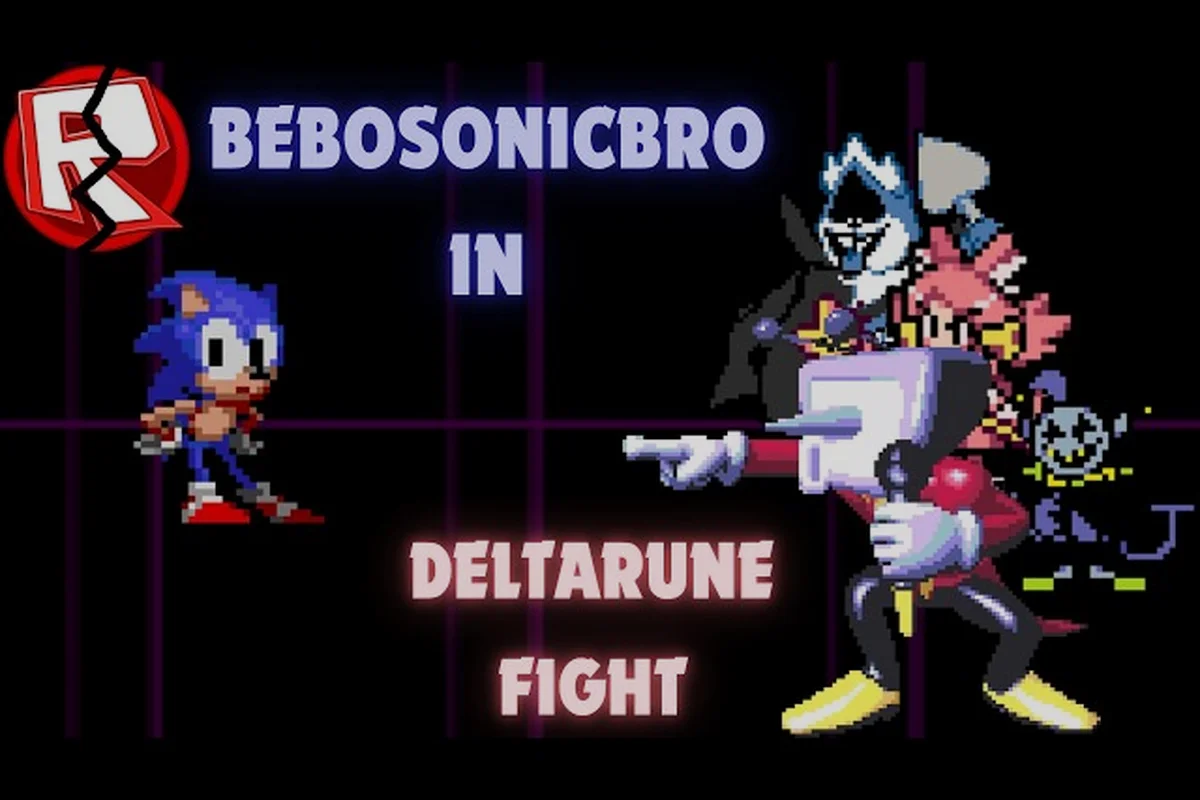
Because the game publishes zero mechanic numbers, you should treat every specific damage claim, cooldown figure, or phase count as unverified unless it appears in the official Roblox page or a validated community video. The community video capture by bebo is the most reliable public source for observing actual fight behavior, and it shows the flow of early encounters without relying on fabricated stats.
Choosing Your First Difficulty Without Wasting Attempts
The difficulty decision shapes your entire first hour, and the wrong pick can create a frustrating loop of instant deaths that teaches you nothing. The three confirmed tiers are Standard, Brutal, and Genocide, with Genocide being the hardest known tier as of the current build. New players should start on Standard, not because it is easy, but because it gives you enough time to read attack patterns before the pressure ramps up.
A common beginner mistake is treating Standard as a tutorial that you should abandon quickly. Instead, treat Standard as your pattern-recognition lab. Every boss telegraphs attacks in ways that become readable only when you survive long enough to see the full sequence. If you jump into Brutal or Genocide immediately, you will spend most of your time respawning rather than observing, which slows your actual improvement.
| Difficulty | What It Demands | Best For |
|---|---|---|
| Standard | Moderate pressure, readable attack windows, room to recover | First-hour learning, pattern recognition, TP rhythm practice |
| Brutal | High pressure, tighter windows, less forgiveness on positioning errors | Players who can consistently survive Standard boss phases |
| Genocide | The hardest known tier, punishing mistakes quickly, long stretches of sustained focus | Challenge runners and players who have mastered the confirmed boss line-up |
Your first-hour goal should be to reach a point where you can describe each boss's attack rhythm in your own words. That means surviving long enough to see the full cycle, not necessarily winning on your first attempt. The DELTARUNE Fight beginner guide covers the first-hour walkthrough in more detail, but the core principle is the same: prioritize observation over victory during your opening sessions.
Core Combat Habits That Win Early Fights
The combat loop in DELTARUNE Fight rewards players who manage two resources simultaneously: Soul positioning and TP spending. Most early deaths come from overcommitting to attacks while standing in a dangerous spot, or from hoarding TP and never applying pressure. The best habit is to treat every fight as a rhythm exercise rather than a damage race.
When a boss enters a bullet phase, your Soul becomes the only thing that matters. You need to steer it through gaps in the attack pattern while deciding whether to spend TP on an offensive option like Rude Buster. Community videos show that Rude Buster can skip the final segment of certain attacks, which means timing it correctly is both a defensive and offensive tool. If you fire it too early, you lose the skip benefit; if you fire it too late, you may not survive the segment you are trying to bypass.
-
Read the telegraph before moving: most attacks are telegraphed well in advance, so watch the boss animation before repositioning your Soul
-
Spend TP with intent: do not spam attacks the moment TP is available; wait for the moment that either skips a dangerous segment or punishes a recovery window
-
Position first, attack second: your Soul's location determines survival, so move to a safe gap before committing to an offensive action
-
Learn the confirmed roster one boss at a time: Tenna, King, Pink, and Kaizo Knight each demand different movement patterns, so isolate your practice per boss
The DELTARUNE Fight pro tips guide expands on advanced execution, but the foundation is built in your first hour. If you can consistently survive a full Standard boss phase while spending TP deliberately, you are already ahead of most new players who treat the game as a button-mashing brawler.
Beginner Mistakes That Slow Your Progress
The fastest way to improve at DELTARUNE Fight is to stop repeating the same three mistakes that plague new players. These are not mechanical errors so much as strategic blind spots that keep you stuck in a loop of frustrating deaths. Recognizing them early saves you hours of wasted attempts.
The first mistake is ignoring Soul positioning during attack animations. New players often tunnel-vision on their TP bar or the boss's health, forgetting that the Soul is the only thing that keeps them alive. Every attack you launch should happen after you have already identified a safe movement path, not before. The second mistake is changing difficulty too early. Players who lose twice on Standard and immediately switch to Brutal are not learning faster; they are just dying faster and seeing fewer attack patterns. The third mistake is treating every boss as the same fight. The confirmed line-up — Tenna, King, Pink, and Kaizo Knight — each has a distinct pressure profile, and what works against one will not automatically work against another.
| Mistake | Why It Hurts | The Fix |
|---|---|---|
| Tunnel-visioning on damage | You stop tracking Soul position and eat avoidable hits | Move to a safe gap first, then spend TP |
| Jumping difficulty too soon | You see fewer full attack cycles and learn slower | Stay on Standard until you can describe each boss's rhythm |
| Treating all bosses identically | You apply wrong movement patterns to different pressure profiles | Practice one confirmed boss at a time and note what changes |
| Hoarding TP out of fear | You never learn offensive timing or skip windows | Commit to deliberate TP spends during safe recovery moments |
The DELTARUNE Fight how to reset guide covers common mistakes and hidden tips in more depth, but the core lesson is that your first hour should be about building observation habits, not chasing wins. Players who fix these three blind spots early report much faster progression through the confirmed boss line-up.
Building a First-Hour Practice Routine That Sticks
A structured first hour beats an unstructured grind every time. Instead of loading in and fighting whatever appears, use a simple routine that builds one skill at a time. This approach works because the game's boss-rush format naturally repeats encounters, giving you multiple chances to test the same pattern.
Start with a five-minute observation block against any confirmed boss on Standard. Do not attack at all during this block; just steer your Soul through the bullet phases and watch how the boss telegraphs each move. This feels slow, but it compresses hours of trial-and-error into a few minutes of focused watching. Next, spend a ten-minute TP rhythm block where you only attack during obvious recovery windows. The goal is to build the habit of spending TP deliberately rather than reflexively. Finally, run a fifteen-minute full-attempt block where you combine positioning and TP spending with the goal of surviving as long as possible, not necessarily winning.
-
Observation block: no attacking, just Soul movement and telegraph reading for the first five minutes
-
TP rhythm block: attack only during recovery windows for ten minutes to build deliberate spending habits
-
Full-attempt block: combine everything for fifteen minutes, prioritizing survival time over victory
-
Boss rotation: rotate through Tenna, King, Pink, and Kaizo Knight so you learn each pressure profile instead of grinding one fight
This routine matters because the game's hardest tier, Genocide, demands exactly the kind of sustained focus and pattern recognition that these blocks build. Players who skip the observation phase and jump straight into full attempts often plateau quickly, while those who build the routine first report smoother progression through Brutal and beyond.
How the Confirmed Boss Line-Up Shapes Your Early Strategy
Understanding the confirmed boss roster helps you allocate your first-hour practice time wisely. As of the September 2026 build, the confirmed line-up includes Tenna, King, Pink, and Kaizo Knight. Each boss presents a different pressure profile, and knowing what to expect from each one prevents the disorientation that comes from fighting blind.
Tenna is the television-themed boss that community videos show as an early test of Soul movement. The fight demands constant repositioning, and players report that the pressure comes from tracking multiple visual elements at once. King is a more straightforward pressure check, punishing players who stand still or overcommit to attacks. Pink was added in phases according to player reports, and the fight tests your ability to adapt to shifting patterns. Kaizo Knight is the hardest confirmed clear, with challenge completions documented on channels like DDChee, and it demands mastery of everything the earlier bosses teach.
| Boss | What the Fight Demands | Best Early Habit |
|---|---|---|
| Tenna | Constant Soul movement, tracking multiple visual elements | Practice repositioning before attacking |
| King | Punishes stillness and overcommitment | Learn recovery windows and attack only during them |
| Pink | Adapting to shifting patterns as the fight evolves | Stay flexible and avoid locking into one movement route |
| Kaizo Knight | Mastery of all prior skills, sustained focus, high pressure | Build the full routine before attempting serious clears |
The DELTARUNE Fight how to get everything guide covers hidden bosses and completion goals, but your first hour should focus on the confirmed roster above. Once you can survive each Standard fight long enough to describe its rhythm, you have a solid foundation for Brutal attempts and eventually Genocide clears.
Frequently Asked Questions
What is the best difficulty to start with in DELTARUNE Fight?
Start on Standard. It gives you enough time to read attack patterns and learn Soul positioning without the instant-death pressure of Brutal or Genocide. Your first-hour goal is observation, not victory, and Standard provides the most readable version of each boss's full attack cycle.
How do I get better at DELTARUNE Fight quickly?
Build a structured practice routine instead of grinding random attempts. Spend five minutes observing without attacking, ten minutes practicing deliberate TP spends during recovery windows, then fifteen minutes on full survival-focused attempts. Rotate through the confirmed bosses — Tenna, King, Pink, and Kaizo Knight — to learn each pressure profile.
What are the most common beginner mistakes in DELTARUNE Fight?
The biggest mistakes are tunnel-visioning on damage while ignoring Soul position, switching to a harder difficulty too early, and treating every boss as the same fight. Fix these by moving to safe gaps before attacking, staying on Standard until you can describe each boss's rhythm, and practicing one confirmed boss at a time.
Is DELTARUNE Fight the same as the original Deltarune?
No. Kris, Susie, Ralsei, and Noelle are characters from the original Deltarune game only, and this Roblox title does not confirm them as playable fighters. DELTARUNE Fight is a boss-rush combat simulator with its own confirmed boss line-up and difficulty tiers, built by ItsIsaacIO.
How many bosses are in DELTARUNE Fight?
As of the September 2026 build, the confirmed line-up includes four bosses: Tenna, King, Pink, and Kaizo Knight. Community videos document the hardest clears against this roster, but the game does not publish an official closed roster, so future updates may add more encounters.