
Characters
DELTARUNE Fight character and role guide: who you control, how damage, sustain and setup picks differ, and which selection suits solo versus party runs.
Introduction
The characters hub covers who you control in DELTARUNE Fight and how each pick changes the shape of a run. Because the game is a boss rush rather than a roster collector, character choice matters less than pattern knowledge, but it still decides how much room you have for mistakes and how quickly a clean rotation converts into damage. Pages here stay at the role level: what a pick leans toward, which fights suit it, and how solo play differs from a group session where a party can spread an attack rotation across several players. Coverage is deliberately conservative about the playable roster, because which fighters are selectable in the current build is still being confirmed by the community as new versions arrive. Roles and team advice are described in terms that stay true regardless of how the roster changes.
Role Comparison at a Glance
| Role | Lean | Strength | Best Used When |
|---|---|---|---|
| Balanced | Even damage and sustain | Forgiving input track | Learning an unfamiliar boss |
| Damage | Converts clean turns into faster kills | Shortens long rotations | Patterns already memorised |
| Sustain | Keeps a run alive through mistakes | Absorbs early learning errors | First attempts at a new phase |
| Setup | Rewards planning ahead | Punishes predictable phases | Bosses with a fixed shift |
| Solo | One player, all inputs | Cleanest skill proof | Confirming a fight is learned |
Fighter Roles
Balanced Lead
The default pick while you are still learning a fight
Damage Lean
Trades safety for shorter fights
Sustain Lean
Built to survive learning a new phase
Setup Lean
Rewards planning several turns ahead
Solo Versus Party
The biggest real choice is how many people are dodging
Core Mechanics
Character choice in DELTARUNE Fight operates on a narrower axis than in a typical Roblox fighting game, because the fight is decided by pattern reading rather than by stat comparison. What a pick actually changes is the margin you have while learning. A balanced option widens that margin, letting you absorb an unread pattern and continue; a damage lean narrows it, converting clean rotations into shorter fights but punishing any wasted turn twice. Sustain extends the number of mistakes a run can survive, which matters most in the first attempts at a second phase. Setup shifts value later in the fight, which pays off only against a boss whose structure you already know. Layered on top of all of this is the solo-versus-party decision, which changes the number of inputs one person has to manage and is often a larger factor than the character itself.
Advantages
The role system here avoids the trap of fake choice. Because no pick removes the need to dodge, switching characters never substitutes for learning a pattern, which means time spent improving at the game always transfers. At the same time, the differences are real enough to matter at the margins: a sustain pick genuinely changes how long you can observe an unfamiliar phase, and a damage lean genuinely shortens a long rotation once you have it memorised. Progression also ties the roster to clears rather than to a store, so unlocking more options is a natural by-product of playing rather than a separate grind. Combined with per-encounter difficulty selection, this lets a player tune the challenge on a specific boss without abandoning progress elsewhere.
Challenges
The main weakness is that which fighters are actually selectable is not well documented. Community coverage exists, but it is inconsistent, and several names circulating online belong to the source game rather than to this build, so any roster list should be treated as provisional. That uncertainty makes it hard to write definitive per-character guides, and advice here stays at the role level for exactly that reason. There is also no way to preview a pick's feel before committing to a fight, so learning what suits you costs attempts. Finally, because the roster grows with updates, a character that is currently strong can be altered or supplemented without notice, and there is no in-client summary of what changed between versions.
Frequently Asked Questions
Which character should a beginner pick in DELTARUNE Fight?+
Is playing solo harder than playing with a group?+
Do characters change the boss patterns at all?+
Quick Tips
Stay on one pick for an entire boss rather than switching after every loss. Character differences show up across the length of a full fight, and constant switching removes your ability to tell whether a failed attempt was caused by a bad route or by an unsuitable matchup. Give a pick at least five attempts before judging it, since early losses usually reflect an unfamiliar pattern rather than the character.
Treat a sustain lean as a research tool. Its real value is letting you watch an unfamiliar second phase several times in one session, which is far more efficient than dying to it repeatedly with a fragile pick that ends the attempt before the pattern has even finished resolving. Once the new phase is mapped, switch back to a damage-leaning option and the same fight will usually collapse quickly.
Confirm a fight solo before you farm it in a group. Party sessions can cover a gap in your own pattern knowledge without ever revealing it, and that gap becomes painfully obvious the first time you queue alone at a harder tier or without friends available. The goal of solo practice is not difficulty for its own sake but certainty that your route survives without help.
Featured
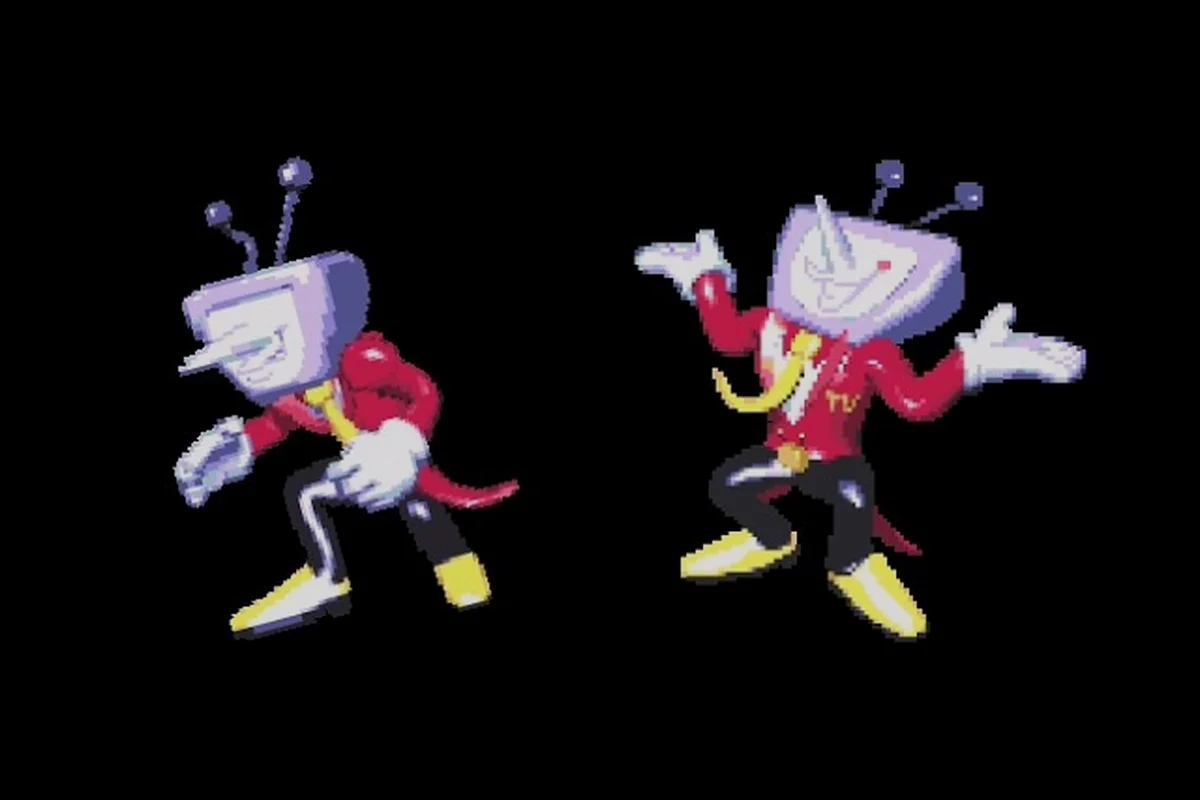
DELTARUNE Fight All Characters: Full Roster & Playable List
Browse the complete DELTARUNE Fight all characters roster, from Kris and Susie to Ralsei, with unlock paths, role basics, and starter picks for solo and party runs.
DELTARUNE Fight Character Lore: Kris, Susie, Ralsei & Noelle
Dive into DELTARUNE Fight character lore for Kris, Susie, Ralsei, and Noelle, tracing where each hero comes from and how this Roblox boss rush reframes them.
DELTARUNE Fight Character Skins: Fan Roster & Style Tier List
Browse every DELTARUNE Fight character skin and fan-made look, ranked by rarity, unlock cost, and which outfit styles fit beginners or veterans.
All Articles
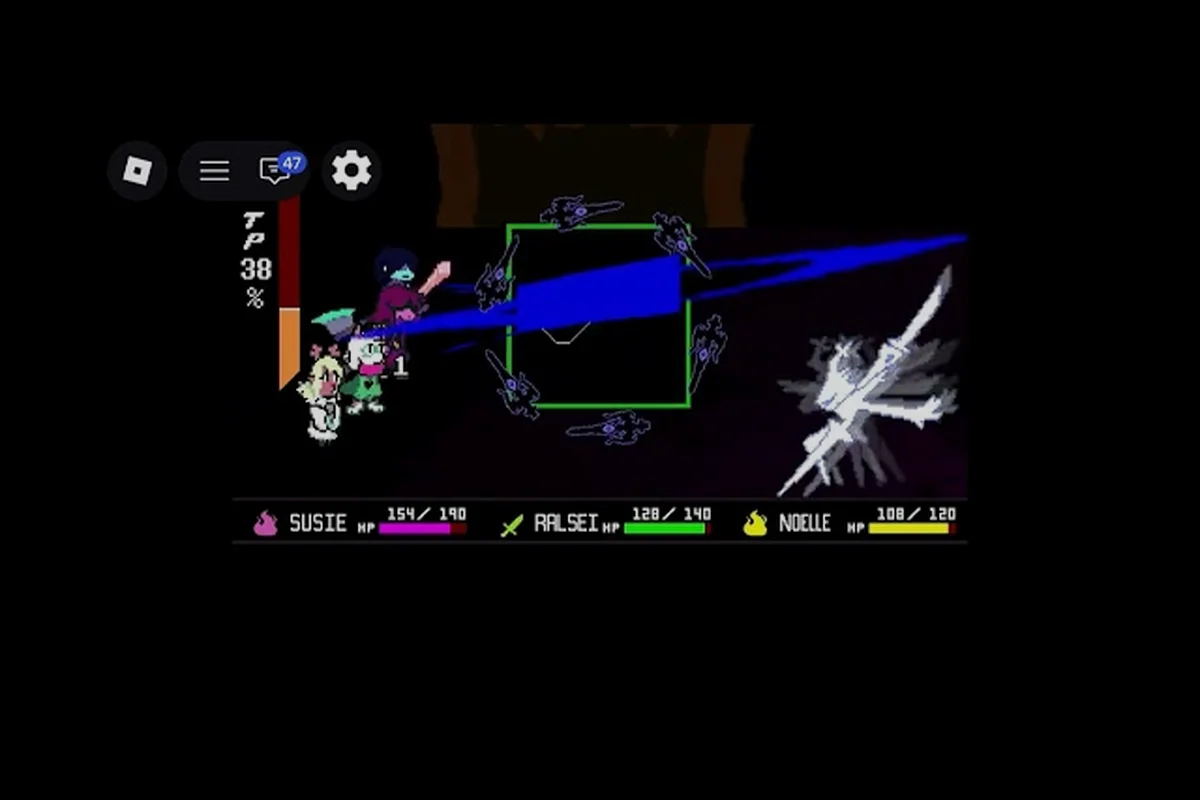
DELTARUNE Fight Healer Character: Roles, Stats & Best Pick
Find the best DELTARUNE Fight healer character with full role stats, heal values, and which boss each support class shines against in your party.
DELTARUNE Fight Kris Abilities: Full Kit & Party Roles
Break down every DELTARUNE Fight kris abilities entry, compare sword and soul moves against Susie, Ralsei, and Noelle, and find the best party role for each fight.
DELTARUNE Fight Noelle Guide: Abilities, Unlock & Combos
Unlock and master Noelle in DELTARUNE Fight with this guide covering her secret unlock path, full ability kit, stat strengths, and best party combo picks.