
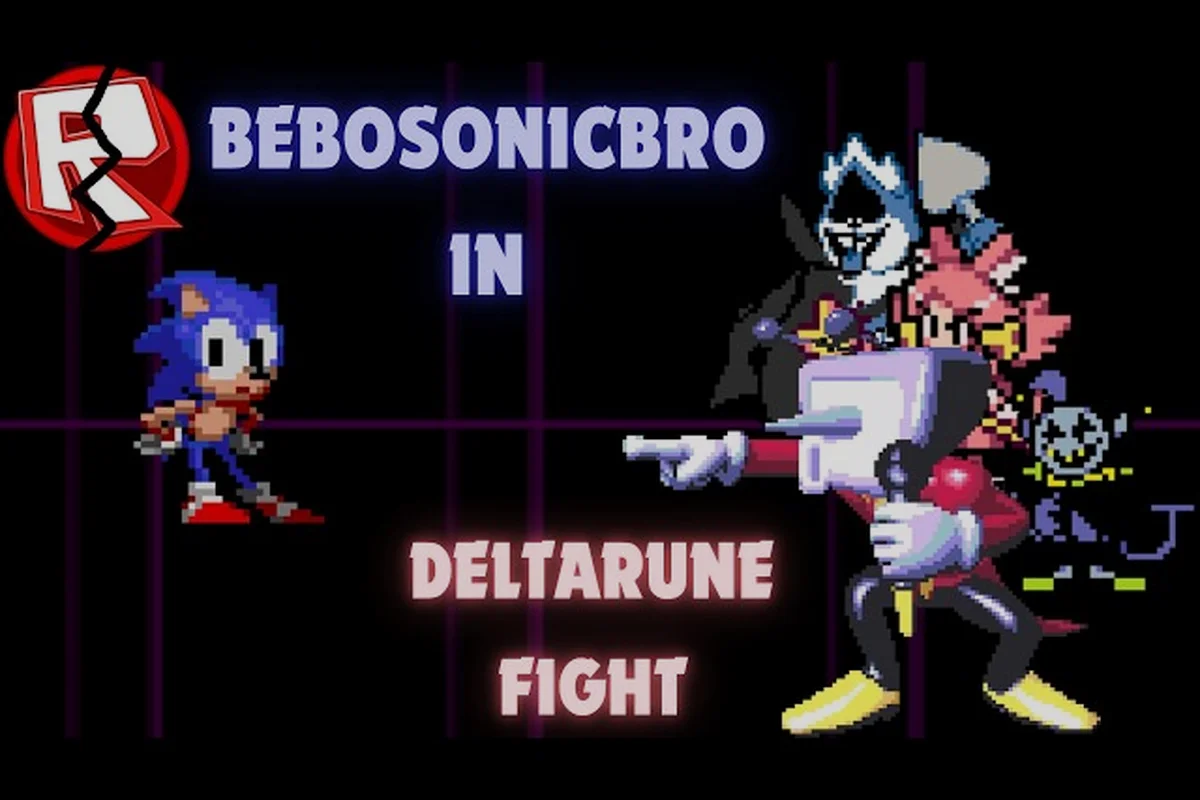
The opening hours of DELTARUNE Fight can feel overwhelming because the game throws you into a boss-rush format with almost no tutorial, which means your first few attempts will likely end in quick defeats. Building a reliable early game foundation matters more than memorizing any single boss pattern, since the habits you form now determine how quickly you adapt to harder fights later. This DELTARUNE Fight early game guide walks through where to practice, how to survive solo, and when to bring a party for tough encounters.
Understanding the Core Combat Loop
Before you can improve, you need to understand what the game actually asks of you in every fight. DELTARUNE Fight is a boss-rush combat simulator on Roblox, and according to the official Roblox game page, it launched on August 11, 2026, with a maximum of 15 players per server. The core loop is simple to describe but difficult to master: you steer a Soul through bullet patterns while spending TP on attacks, and you repeat this until either you or the boss falls.
The controls are minimal, which is a blessing for new players. You use Z to confirm, X to go back, and C for the context-dependent action, as listed on the official game page. Because the input scheme is so compact, your early struggles will come from reading attack patterns and managing your movement, not from fumbling with a complex control layout. This means practice sessions can focus entirely on positioning and timing.
One of the most important early lessons is that Rude Buster exists as an attack option in community videos, and players report that it can skip the final segment of certain boss attacks. Understanding when to spend TP on this kind of move versus when to save it for survival is a core skill that separates players who clear early bosses from those who stall out. The game does not publish exact TP costs or damage values, so you will need to learn the rhythm of each fight through repetition rather than through spreadsheet math.
| Combat Element | What It Demands | Early Game Habit |
|---|---|---|
| Soul movement | Precise steering through bullet gaps | Practice micro-adjustments, not wide dodges |
| TP spending | Choosing between attack and survival | Save TP until you recognize safe windows |
| Rude Buster | Timing a high-impact move | Use it to skip dangerous final segments |
| Boss patterns | Reading telegraphed attacks | Watch the wind-up, not the projectile |
The confirmed boss line-up so far includes Tenna, King, Pink, and Kaizo Knight, though the roster may expand as of the September 2026 build. Each boss demands a different movement style, which means your early game practice should rotate between them rather than grinding one fight into muscle memory. Community videos show first-attempt Tenna fights where players struggle with the same patterns that become trivial after a few focused sessions.
Where to Practice Effectively
The question of how to practice in DELTARUNE Fight has a straightforward answer: you practice by fighting, but you need to structure that practice deliberately. Random attempts without a plan will teach you slowly, while focused sessions with specific goals will compress your learning curve dramatically. This section covers the training approach that works best for new players.
Setting Up a Practice Routine
A good practice session starts with a single objective. Instead of trying to win, spend your first few attempts purely on survival time — see how long you can keep your Soul alive without attacking at all. This removes the pressure of dealing damage and lets you internalize the bullet patterns. According to community videos, many early deaths come from players overcommitting to attacks when they should be repositioning.
After you can survive consistently, add one attack at a time. Start by weaving in Rude Buster only when you recognize a safe window, then gradually expand to more aggressive play. This layered approach prevents the common trap of learning bad habits while panicking through your first wins. The difficulty tier names Standard, Brutal, and Genocide reported by players suggest a progression path, but even Standard mode will punish careless movement.
Reading Boss Wind-Ups
Every boss in the confirmed line-up telegraphs its attacks, but the tells are subtle at first. Tenna has a television theme that community videos show involves screen-based visual cues, while King and Pink demand different spatial awareness. Kaizo Knight is the hardest of the confirmed four, and players report that it punishes greedy play more than any other early boss.
| Boss | Primary Demand | Common Early Mistake |
|---|---|---|
| Tenna | Reading screen-based tells | Dodging too late after the visual cue |
| King | Managing wide, high-damage swings | Standing too close during wind-ups |
| Pink | Handling multi-directional pressure | Focusing on one projectile and ignoring others |
| Kaizo Knight | Sustained focus over a long stretch | Burning TP early and having nothing left |
The key to reading wind-ups is to watch the boss, not your own Soul. Your peripheral vision will handle your position once you trust it, but if you stare at your cursor, you will miss the telegraph that tells you where the next attack is coming from. This is a hard habit to build, but it pays off in every fight.
Solo Survival Fundamentals
Playing solo in DELTARUNE Fight is the purest test of your fundamentals, because there is no one to revive you or draw aggro. The good news is that solo play forces you to learn the skills that carry over into party play, which makes it the best training ground for new players. This section covers how to survive when you are the only target.
Positioning Before Damage
The most important solo survival skill is pre-positioning. Because every boss attack is telegraphed, you should already be moving toward a safe zone before the projectiles appear. This means you need to learn the safe spots for each attack pattern, which only comes from watching the wind-up and reacting early. Players who wait until the bullets are on screen will always be a step behind.
A useful mental model is to treat your Soul as a reactive cursor rather than a character. You are not fighting the boss; you are solving a series of spatial puzzles where the boss is the puzzle generator. This reframe helps you stay calm during chaotic phases, because you are looking for the gap in the pattern rather than trying to out-damage the boss.
Managing TP as a Solo Player
TP management changes completely when you are alone. In a party, you can afford to spend TP aggressively because someone else can cover your mistakes. Solo, every TP spent on an attack is TP you cannot use for survival. The Rude Buster skip is valuable, but only if you have the TP to use it when the dangerous segment arrives.
The best solo approach is to treat TP as a defensive resource first. Save it until you recognize a pattern you can punish safely, then spend it in a burst. This conservative style feels slow at first, but it builds the discipline you need for Brutal and Genocide difficulty tiers later. Community videos show that aggressive solo players tend to die in the high-pressure phase, while patient players survive long enough to learn the full pattern.
When to Bring a Party
Solo play is the best teacher, but party play is the best safety net. DELTARUNE Fight supports up to 15 players per server, according to the official Roblox page, which means you can bring a group into any fight. The question is when to use that option and when to stay solo.
Party Benefits and Trade-offs
A party gives you two major advantages: shared aggro and revive potential. When the boss targets someone else, you get free windows to attack or reposition. When you go down, a teammate can pick you back up instead of ending the run. These benefits are huge for learning new bosses, because they let you see the full pattern without restarting every time you make a mistake.
The trade-off is that party play can mask your weaknesses. If you always fight with a group, you never learn to survive the patterns that target you specifically. The best approach is to use party play for scouting runs on new bosses, then switch to solo for mastery runs once you understand the fight. This hybrid approach gives you the best of both worlds.
| Play Style | Best Use Case | Skill It Builds |
|---|---|---|
| Solo | Mastering a boss you already know | Positioning, TP discipline, pattern reading |
| Party | Scouting a new boss safely | Full-pattern exposure, timing practice |
| Hybrid | Alternating between the two | Complete skill development |
The party guide approach also helps with the social side of the game. If you are struggling with a specific boss, watching how other players handle the same patterns can teach you strategies you would not discover alone. The multiplayer guide covers how to set up sessions with friends, which is useful when you want consistent practice partners instead of random servers.
Reading Your Own Replays
One of the most underrated training tools is reviewing your own attempts. You cannot record replays in-game, but you can watch community videos of the same bosses and compare your movement to theirs. The community video capture of DELTARUNE Fight by bebo, available as Bebosonicbro in: Deltarune Fight, shows first-attempt Tenna fights that reveal common positioning mistakes.
Watching others play helps you spot patterns you miss in the heat of the moment. Pay attention to where they stand during wind-ups, when they spend TP, and how they recover from mistakes. These observations translate directly into your own practice sessions, because you can set specific goals based on what you see.
Building a Long-Term Training Plan
The early game is not just about clearing your first few bosses; it is about building habits that scale into the hardest content. The confirmed difficulty tiers Standard, Brutal, and Genocide suggest a progression path that rewards players who train systematically rather than grinding randomly. This section lays out a training plan that carries you from your first attempts to confident clears.
Week One: Survival First
Your first week should focus entirely on survival. Fight each of the confirmed bosses — Tenna, King, Pink, and Kaizo Knight — with the sole goal of staying alive as long as possible. Do not worry about damage, TP spending, or winning. This builds the pattern-reading foundation that everything else depends on.
By the end of week one, you should be able to survive the opening phases of each boss consistently. You will still die in the high-pressure phase, but you will understand why you died, which is the first step toward fixing it. The beginner guide covers the absolute basics if you need a refresher on controls and game flow.
Week Two: Adding Offense
Once survival feels comfortable, start adding attacks. Begin with Rude Buster in safe windows, then expand to more aggressive play as your confidence grows. The goal is not to win every fight but to learn when offense is safe and when it is greedy. This is the phase where most players develop their personal style.
Pay attention to how your TP spending changes your survival. If you find yourself dying more when you attack more, you are overcommitting. Pull back and rebuild your defensive foundation before pushing forward again. The new player guide has additional tips on avoiding common early deaths.
Week Three and Beyond: Difficulty Climbing
After two weeks of structured practice, you should be ready to climb the difficulty tiers. Start with Standard and clear every confirmed boss, then move to Brutal and eventually Genocide. Each tier demands tighter movement and better TP discipline, but the fundamentals you built in weeks one and two will carry you through.
The key is to treat each difficulty jump as a new learning cycle. Go back to survival-first practice on the harder tier, then add offense once you can survive. This cyclical approach prevents the frustration that comes from trying to skip steps. Players who rush into Genocide without mastering Brutal tend to burn out quickly, according to community reports.
Frequently Asked Questions
What is the best way to practice DELTARUNE Fight as a new player?
Start with survival-only runs where you focus entirely on keeping your Soul alive without attacking. This builds pattern-reading skills without the pressure of dealing damage. Once you can survive consistently, add one attack at a time, starting with Rude Buster in safe windows.
How do I survive solo fights in DELTARUNE Fight?
Treat TP as a defensive resource first, saving it for safe punish windows rather than spending it aggressively. Pre-position your Soul before projectiles appear by reading boss wind-ups early. Watch the boss, not your own cursor, to catch telegraphs in time.
When should I bring a party instead of playing solo?
Use party play for scouting runs on new bosses, because shared aggro and revive potential let you see full patterns without restarting constantly. Switch to solo for mastery runs once you understand the fight, since solo play forces you to build the positioning and TP discipline that party play can mask.
Which bosses are confirmed in DELTARUNE Fight?
The confirmed line-up so far includes Tenna, King, Pink, and Kaizo Knight, as of the September 2026 build. Each demands a different movement style, so rotate your practice between them rather than grinding one fight into muscle memory.
What difficulty tiers should I expect in DELTARUNE Fight?
Players report three difficulty tiers: Standard, Brutal, and Genocide, with Genocide being the hardest known tier. Climb them in order, treating each jump as a new learning cycle where you return to survival-first practice before adding offense.
The early game in DELTARUNE Fight rewards patience and structured practice over raw aggression. By building survival fundamentals first, managing TP as a defensive resource, and using party play strategically for scouting, you create a foundation that scales into the hardest difficulty tiers. The confirmed boss line-up gives you clear targets for your training, and the community video resources let you learn from other players' mistakes without repeating them yourself.