
Challenges
DELTARUNE Fight challenges and speedruns: no-hit clears, solo runs, completion benchmarks and how the community records and judges timed attempts.
Introduction
The challenges hub covers the rules players impose on themselves once the built-in difficulty tiers stop being enough. DELTARUNE Fight supports a per-encounter difficulty selection, but community play regularly goes further: no-hit clears where a single graze ends the attempt, solo runs that remove the safety of a party spreading the rotation, completion runs that finish the hardest remixes, and timed attempts recorded per boss. These are not modes in the game. They are agreements about what counts as a valid clear, and each one removes a different safety net from a normal run, which is why they are useful as benchmarks. Pages here document what each rule actually demands, why the community treats some of them as proof of mastery, and how attempts are recorded and compared given that no official leaderboard exists.
Challenge Rules Reference
| Challenge | Rule | What It Removes | Difficulty |
|---|---|---|---|
| No-hit clear | One graze ends the attempt | All tolerance for unread patterns | Extreme |
| Solo run | No party members | Shared pattern coverage | High |
| Completion run | Finish the hardest remixes | Any claim to have seen everything | High |
| Speed attempt | Timed single-boss clear | Safe but slow routing | Moderate |
Challenge Formats
No-Hit Clear
The strictest self-imposed rule the community runs
Solo Run
Clearing without a party to absorb part of the rotation
Completion Run
Finishing the remixes the standard ladder never asks for
Speed Attempt
Timed clears published as video rather than on a board
Self-Imposed Rules
The community invents constraints the game does not enforce
Core Mechanics
Challenge play works on a simple principle: the fight does not change, so the constraint has to. DELTARUNE Fight gives you per-encounter difficulty selection, but once the highest built-in tier stops being enough, further difficulty has to come from rules the player imposes. Each common challenge removes a different safety net. A no-hit run removes the tolerance for unread patterns, because a single graze ends the attempt and there is no opportunity to recover. Solo runs remove shared pattern coverage, which is the main thing a party provides. Completion runs target the optional remix encounters the standard ladder never requires. Speed attempts remove the option of a cautious route by making time the objective. Because each targets a different margin, the challenges are not interchangeable: they measure different parts of the same skill, and the choice of which to attempt should follow whatever is currently limiting your clears.
Advantages
Player-made challenges solve a problem that a fixed difficulty ladder cannot. Once a player can clear the standard tiers comfortably, the game stops offering new pressure, and the built-in higher difficulties are a single large jump rather than a continuous curve. Self-imposed rules fill that space precisely, letting a player raise difficulty along a specific axis instead of raising it everywhere at once. No-hit runs target pattern knowledge, solo runs target self-reliance, timed attempts target route efficiency, and each produces a different kind of improvement. These challenges are also cheap for the community to run and verify, since they require nothing beyond the game and an uploaded recording, which keeps participation open. And because they are agreements rather than modes, they can be adjusted per boss without any developer involvement whatsoever.
Challenges
The lack of official support is the main weakness. There is no leaderboard, no in-game tracking and no verification beyond a video, so challenge claims rest on community trust rather than on measurable records. That makes comparing results across players genuinely difficult, particularly for timed attempts where minor route differences or version changes can shift a result without anything being visible to a viewer. Version drift affects challenge validity too: a balance pass that widens or narrows a window changes what a no-hit clear actually means, and without patch notes it is hard to say whether two recordings were made on comparable builds. The strictest challenges also demand a level of repetition that many players find unfun rather than rewarding, and the gap between a first no-hit attempt and a successful one can be large enough to discourage participation entirely.
Frequently Asked Questions
What is a no-hit run in DELTARUNE Fight?+
Is there a speedrun leaderboard for DELTARUNE Fight?+
What counts as a completion run?+
Quick Tips
Attempt challenges only on bosses you can already clear comfortably. A no-hit or speed attempt built on shaky pattern knowledge does not measure mastery; it just produces a longer, slower version of the failures you were already having, with far less useful feedback. A challenge is only informative when the normal clear is already reliable enough to serve as a baseline for comparison.
Pick a constraint that targets your actual weakness. If you die to unread tells, a no-heal rule will not fix it, but a run where you never attack will force you to study the pattern instead of reacting to it, which addresses the real problem. Choosing the right constraint is what turns an evening of attempts into measurable improvement rather than repetition.
Note the build and the platform alongside any recorded attempt. Without patch notes and with balance changes arriving unannounced, a time or a no-hit clear only means something if you also know which version and which input method produced it. Future balance changes will shift what is possible, so a record without context becomes meaningless surprisingly quickly.
Featured
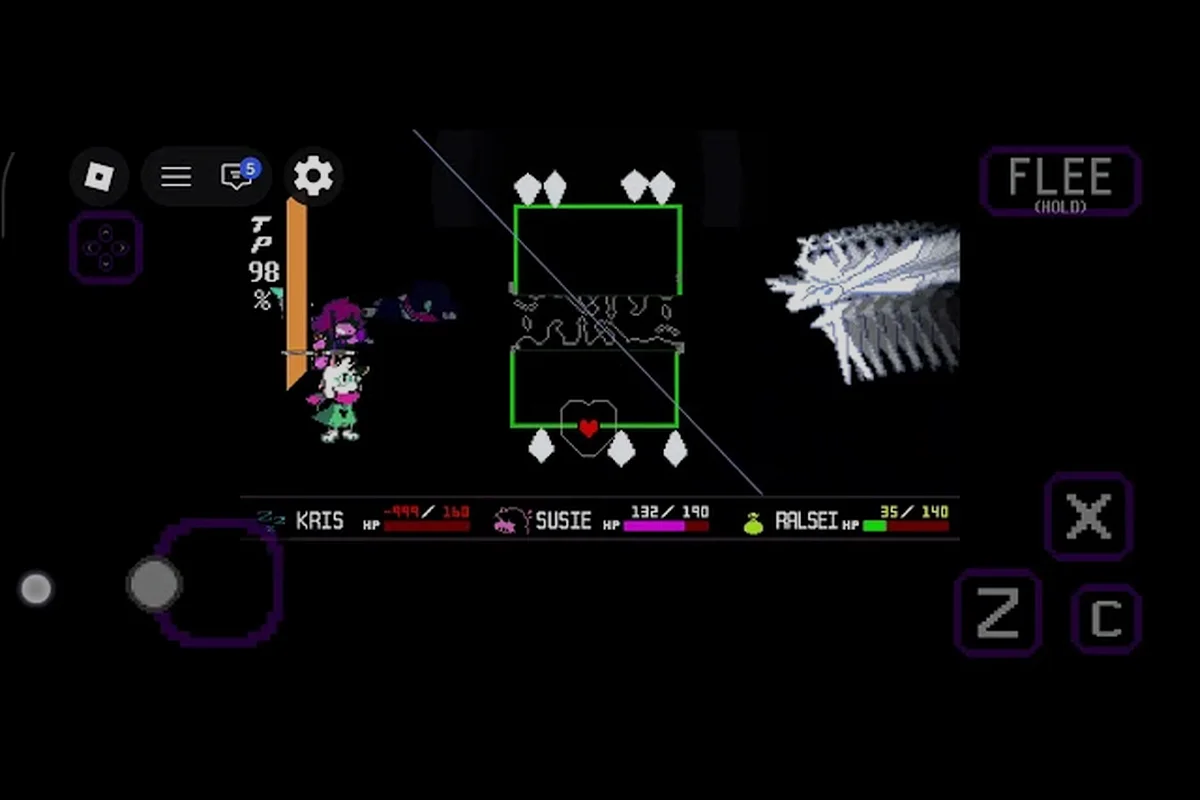
DELTARUNE Fight 100 Percent Run: Gauntlet & Extreme Tips
Plan a flawless DELTARUNE Fight 100 percent run with the boss gauntlet order, extreme mode survival habits, and skill-ceiling tips for full completion.
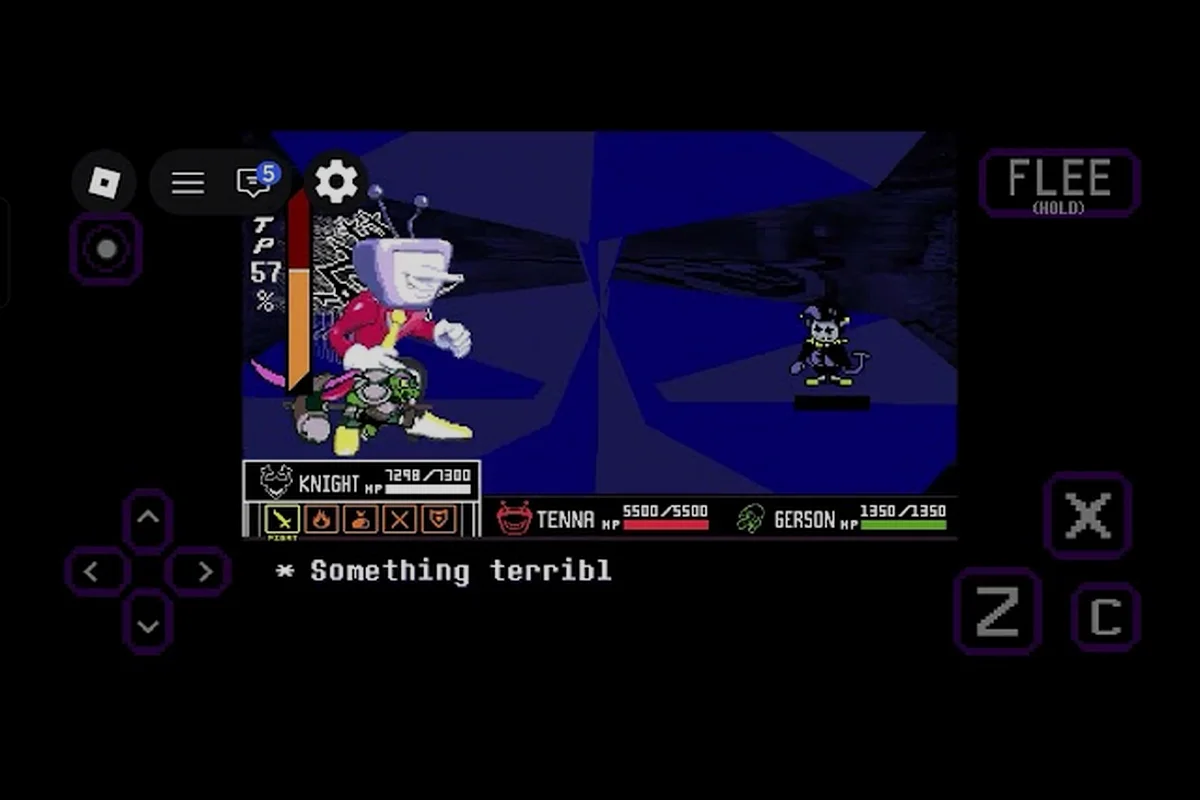
DELTARUNE Fight Challenge Ideas: Fun Self-Imposed Rules
Browse creative DELTARUNE Fight challenge ideas like dodge-only, no-damage, and speedrun twists that turn any boss run into a fresh test of skill.
DELTARUNE Fight Challenge Run: Speedrun Routes & World Records
Build a winning DELTARUNE Fight challenge run with speedrun splits, Kaizo Knight prep, and the route choices behind the fastest community world records.
All Articles
DELTARUNE Fight Hardest Boss Challenge: One Life Rules
Take on the DELTARUNE Fight hardest boss challenge with one-life rules, blindfolded runs, and completionist paths that push even veteran players to the limit.
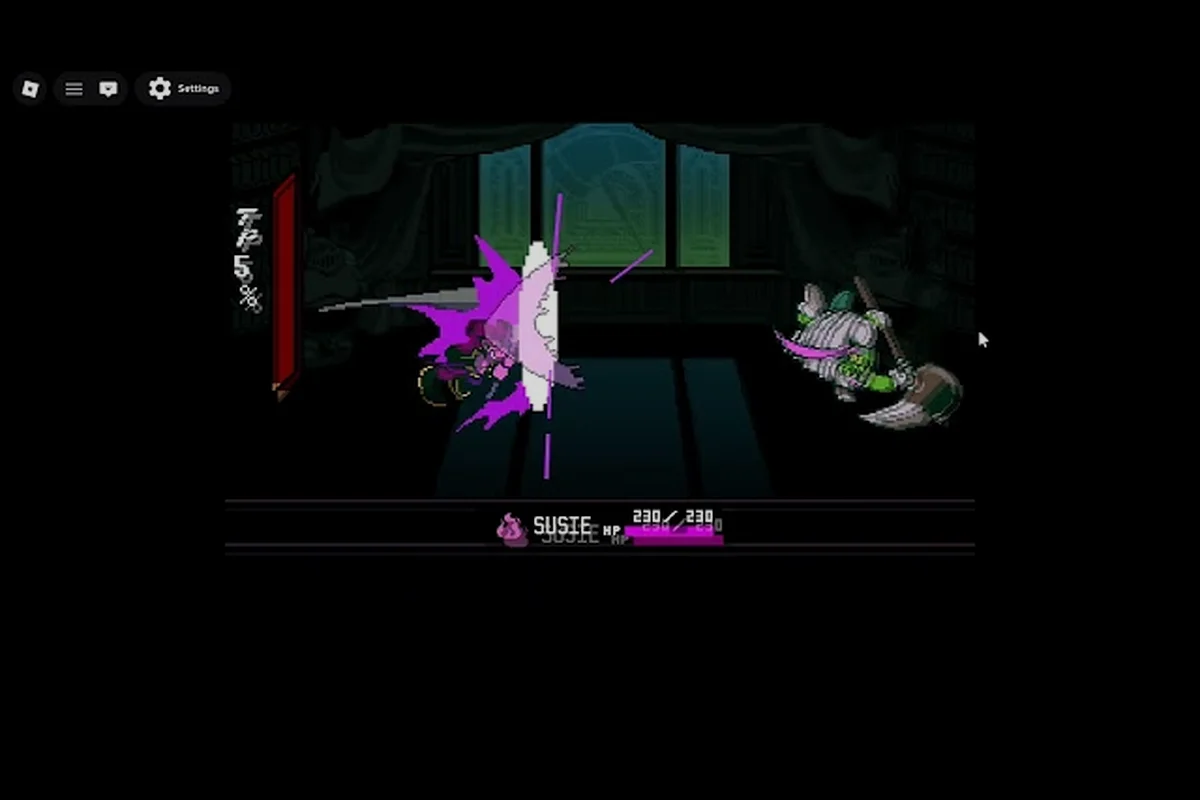
DELTARUNE Fight No-Hit Runs: Marathon & Leaderboard Tips
Master DELTARUNE Fight no-hit marathon runs with endurance pacing, competitive leaderboard strategies, and tournament-tested survival habits.
DELTARUNE Fight Kaizo Knight How to Beat: Party Run Routes
Survive the deltarune fight kaizo knight how to beat challenge solo — phase reads, no-item recovery windows, and Kaizo Mode habits that hold up on Roblox.